15 Up-And-Coming Wood And Pellet Stove Bloggers You Need To Be Keeping An Eye On


Choosing Between a Wood and Pellet Stove
Wood and pellet stoves are available in a variety of styles to match fireplaces of all kinds. They look stylish and provide warmth for homes.
Pellet stoves generate hot air by burning wood waste, such as sawdust and shavings. They also employ a fan to force exhaust gases through specially designed venting systems.
Cost
One of the main factors when comparing a wood heater to pellet stoves is their cost. While pellet stoves can be more expensive upfront than their counterparts, their costs are considerably lower compared to home fossil fuels and electric heating sources. Additionally, the long-term savings that can be derived from reduced dependence on central heating systems can make up for the initial cost.
Pellet stoves employ the combustion chamber to burn compressed pellet fuel, like alfalfa, oat or Timothy. These pellets that resemble wood have a higher BTU/hour and a higher heat content than cordwood. Pellet fuel can also be bought in bulk, which decreases the time needed to refill a stove's hopper.
The pellet stove has the benefit of being an automatic. The appliance will maintain the temperature you set on the thermostat. It is also easier to keep the fire at a constant temperature and avoids the extreme temperature fluctuations that can occur when cooking with the stove.
The advantages of pellet stoves is evident in how much less maintenance it requires than wood stoves. While a wood stove must be regularly cleaned to prevent the buildup of creosote pellet stoves typically produce little creosote, and require regular cleaning of the chimney flue vent to ensure that it is operating at its best.
The initial investments in pellet stoves are generally more expensive than those for wood heat stoves, but the energy savings they provide can offset these expenses over time. A pellet stove requires power for the feed of pellets into the combustion chamber. This can present a problem in the event of a power outage. However battery backup systems are in place to help reduce this risk.
If properly maintained, wood heat stoves and pellet stoves are fairly safe to use. To ensure the safety of your stove, you should always follow manufacturer instructions for maintenance and operation. This includes removing any unused pellets at the end of each heating season from the stove's hopper, feed system and cleaning the flue vent on a regular basis to reduce the accumulation of soot.
Energy Efficiency
A pellet or wood heater is a great choice for your home, since they are more cost-effective than gas or oil heaters. They also create a warm environment and can be utilized as an alternative to traditional heating methods, such as fireplaces or furnaces. If you're in the market for an entirely new stove, it's crucial that you select the ideal one for your requirements and budget.
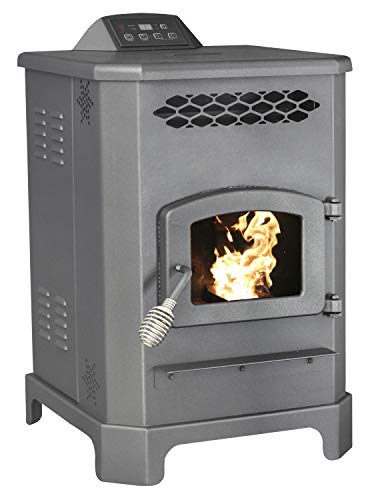
Pellet stoves are rectangular in shape and feature a combustion chamber, fan, hopper, and vent to vent gasses from combustion. The stoves can be self-lighting, and they come with a thermostat to allow you to control the temperature inside your home. They are suitable to heat small or large homes depending on their wattage and ability to generate enough heat per hour.
There are many different types of pellet fuel, including grains, nutshells, wood and nutshells. Other byproducts such as paper and cardboard are also a possibility. Depending on the kind of pellet you select you'll need to think about whether it will burn properly or create too much ash. The highest quality pellets will have an extremely high energy density that means they'll generate more heat than lower-quality brands.
A pellet stove makes use of electricity to power fans and augers that feed pellets into the combustion chamber. An interruption in power can impact the amount of heat you can generate therefore you might consider installing an additional generator or backup system in the event there is a power outage. Pellet stoves are more efficient than wood-burning stoves since they require less air to burn, and produce less ash or creosote.
Both wood and pellet stoves require some maintenance however wood stoves typically need more maintenance than pellet stoves. You'll need to periodically get rid of the accumulated "clinker" and ash from the bottom of your stove. You should use a metal vacuum and a flexible hose to get rid of the hot material. You might also have to replace the fire screen on your stove at least once per year, depending on the type you buy.
Environmental Impact
Wood burning stoves emit huge quantities of air pollutants, including nitrogen oxides and volatile organic compounds (furans and dioxins), and volatile organic substances. These emissions can cause fine particle pollution that is dangerous to human health. In addition burning wood creates creosote which is a poisonous and carcinogenic chemical that accumulates in the flue vents and can cause house fires. Wood pellets, on contrary, produce less air pollution and have no creosote and require a smaller space for storage than logs.
Pellet stoves are more complex than log fireplaces and need regular inspections by the homeowner and by an expert on an annual basis to ensure they operate properly. They also use electricity to run fans and controls as well as pellet feeders. Under normal usage the pellet stove consumes approximately 100 kilowatt-hours a month. The stove will not operate when the power goes out unless there is an emergency battery backup.
The energy efficiency and environmental impact of a pellet or wood stove depend on the species size, moisture content and size of the timber that is used. Wood pellets made of dense hardwoods like oak and hickory produce more heat on a per-pound basis than pellets produced from softwoods like pine or spruce. The heat-to-weight ratio for different species is also crucial.
visit the following site of a stove made of pellets is lower than a wood stove. However, it still requires replacement after 10 to 15 years. Most manufacturers suggest removing all unused pellets from the stove's hopper and feed system at the close of the heating season which will help stop rust from forming and make lighting the appliance in the next heating season easier. It is also recommended that the flue vent be regularly cleaned to prevent soot buildup.
The results of this study, while the pellet stove was more efficient in all impact categories than the fireplace or spruce log stove, are specific to the appliances and conditions under which they were operating. More research is required to compare the performance of different residential wood-based heating systems from a cradle-to-grave perspective considering forest management activities wood split and pellet log production, transport and storage and thermal energy production.
Maintenance
To ensure that the process of burning remains efficient and smooth, wood and pellet stoves need regular maintenance. They need to be cleaned every week to scrub away ash and debris. The ash pans, as well as the vent pipes, must be cleaned regularly. These requirements help to stop the buildup of creosote that can cause a stove to malfunction.
Before each season, a professional technician should clean and examine the pellet stove before each season. This will allow you to identify any mechanical issues and fix them before they become worse. The technician must also clean and inspect the venting system to ensure that it is functioning properly. The technician should also clean any parts that are clogged or oily and lubricate fans.
Pellet stoves are much more complex than wood stoves and require more attention to maintenance. The blower, controls and the hopper require electricity. They also need to be connected to an exhaust pipe, which could be a small roof top chimney or a direct wall vent behind the stove. The installer will provide suggestions to the homeowner about the best option based on their home layout and the type of stove.
Both wood and pellet stoves are best kept in a clean, dry space to avoid moisture exposure. They should not be stored directly on concrete floors because this can cause them to absorb moisture and then become contaminated. To protect them from insects, they should be stored in sealed containers. They should be checked regularly and then refilled with pellets that are of high-quality.
Wood and pellet stoves aren't only efficient heat sources but they also help you save money on your energy bills. ducted pellet stove is crucial to choose the appropriate type of pellets or wood to ensure they burn properly. Oak, hickory and maple are good choices as they are less likely to produce creosote and contain a high amount of heat per kilogram.
If you have a pellet or wood stove, it's important to maintain it regularly to avoid costly repairs and to prolong its life. It is important to not only clean it regularly, but also to check for any obstructions in your ventilation system as well as to clean the door.